

ALLOK (Jiaxing) Metal Materials : Your Trustworthy Bright Annealed Tube Manufacturer!
Our company's monthly output is 300,000 meters of stainless steel electropolished pipes, 600,000 meters of stainless steel and nickel alloy bright annealed pipes, and 80 tons of stainless steel AP pipes. Products are widely used in semiconductor, biopharmaceutical, photovoltaic, chemical instrument, automotive industry, special gas engineering and other industries.
Rich Products
Our company can produce stainless steel tubes, nickel alloy tubes, electrolytic polished tubes, bright annealed tubes, stainless steel coils, stainless steel capillary tubes, alloy tubes, etc.
Products Widely Used
The products produced by our company can be widely used in the biopharmaceutical industry, fine chemical industry, semiconductor industry, instrumentation industry, gas engineering industry and aerospace industry.
Advanced Production Equipment
Our company has advanced production equipment, such as precision cold rolling mills, cold drawing machines, bright annealing furnaces, ultrasonic cleaning tanks, passivation tanks, multi-line electrolytic polishing devices, etc.
Quality Guaranteed
All products we produce have ISO9001:2015 certificates, and all products are strictly tested in accordance with industry standards and contract agreements before leaving the factory. MTC is provided, and third-party testing certificates can be provided when necessary.


What is Bright Annealed Tube
Bright Annealed Tube refers to a type of stainless steel tubing that has undergone a heat treatment process called bright annealing. This process involves heating the stainless steel tube to a specific temperature and then cooling it rapidly in a controlled environment to reduce the formation of oxides and other surface imperfections. The resulting product is a stainless steel tube that has a clean, smooth, and shiny surface finish, making it ideal for applications that require high levels of cleanliness and hygiene. Bright annealed stainless steel tubes are commonly used in industries such as pharmaceuticals, food and beverage, and semiconductor manufacturing, where contamination must be minimized.
Features of Bright Annealed Tube
One of the primary benefits of bright annealed tubes is their high level of corrosion resistance. The annealing process eliminates any imperfections or impurities in the metal, creating a clean surface that is less prone to corrosion. This makes bright annealed tubes ideal for applications where exposure to harsh chemicals or environments is common.
In addition to their functional benefits, bright annealed tubes also offer a visually appealing finish. The bright, shiny surface of these tubes is not only aesthetically pleasing but also helps to promote cleanliness and hygiene in industries such as food processing and pharmaceuticals. The attractive finish of bright annealed tubes can also make them a desirable choice for architectural and decorative applications.
Bright annealed tubes are known for their improved mechanical properties compared to other types of tubing. The annealing process helps to soften the metal, making it more ductile and easier to work with. This can be particularly advantageous in industries such as automotive manufacturing, where precision machining is often required. The enhanced mechanical properties of bright annealed tubes also make them less prone to cracking or failure under stress.
Another key advantage of bright annealed tubes is their ease of weldability. The clean, smooth surface of these tubes allows for seamless welding, resulting in strong, durable joints. This makes bright annealed tubes a popular choice for applications that require precise welding, such as in the construction of pressure vessels or piping systems.
Types of Bright Annealed Tube
Seamless Bright Annealed Tubes
Seamless bright annealed tubes are manufactured through a seamless process, resulting in a smooth, uniform surface finish without any welded seams. These tubes are ideal for high-pressure and high-temperature applications where leakage or contamination is a concern.
Welded Bright Annealed Tubes
Welded bright annealed tubes are made by welding together stainless steel strips or plates and then annealing the welded area to restore corrosion resistance and improve surface finish. These tubes are suitable for applications where cost-effectiveness and dimensional accuracy are important.
Precision Bright Annealed Tubes
Precision bright annealed tubes are characterized by their tight dimensional tolerances, smooth surface finish, and uniform mechanical properties. These tubes are commonly used in industries such as automotive, aerospace, and instrumentation, where precise dimensions and performance are critical.
Hydraulic Bright Annealed Tubes
Hydraulic bright annealed tubes are designed for hydraulic and pneumatic applications where seamless flow, corrosion resistance, and cleanliness are essential. These tubes are often used in hydraulic systems, air compressors, and fluid transfer equipment.
Instrumentation Bright Annealed Tubes
Instrumentation bright annealed tubes are specially manufactured to meet the stringent requirements of instrumentation and control systems. They exhibit high purity, excellent surface finish, and minimal risk of contamination, making them suitable for use in analytical instruments, laboratory equipment, and medical devices.
Heat Exchanger Bright Annealed Tubes
Heat exchanger bright annealed tubes are designed for heat transfer applications, such as condensers, evaporators, and boilers, where efficient heat exchange and corrosion resistance are critical. These tubes offer superior thermal conductivity, cleanliness, and durability in harsh operating environments.
Sanitary Bright Annealed Tubes
Sanitary bright annealed tubes are used in industries such as food and beverage processing, pharmaceuticals, and biotechnology, where hygiene and cleanliness are paramount. These tubes are manufactured to strict sanitary standards, ensuring minimal bacterial growth, easy cleaning, and compliance with regulatory requirements.
Process of Bright Annealed Tube
Tube Manufacturing
The process begins with the manufacturing of stainless steel tubes through either seamless or welded methods. Seamless tubes are produced by piercing a solid billet of stainless steel to form a hollow tube, while welded tubes are made by rolling a flat strip or plate into a tube shape and welding the seam.
Annealing
After the tubes are formed, they undergo an annealing process to relieve internal stresses, improve ductility, and enhance corrosion resistance. The annealing process involves heating the tubes to a specific temperature range, typically between 1900°F to 2100°F (1040°C to 1150°C), and holding them at that temperature for a predetermined time. The tubes are then slowly cooled in a controlled atmosphere to prevent oxidation and achieve a bright, uniform surface finish.
Surface Treatment
Once the annealing process is complete, the tubes may undergo additional surface treatments to further enhance their appearance and properties. This may include pickling to remove scale, oxide, and other surface contaminants, followed by passivation to improve corrosion resistance by forming a protective oxide layer on the surface.
Cold Rolling Or Cold Drawing
Depending on the required dimensions and tolerances, the annealed tubes may undergo cold rolling or cold drawing processes to achieve the desired size, wall thickness, and surface finish. Cold rolling involves passing the tubes through a series of rollers to reduce their diameter and improve surface finish, while cold drawing pulls the tubes through a die to achieve precise dimensions and smoothness.
Final Inspection and Quality Control
Before packaging and shipment, the bright annealed tubes undergo rigorous inspection and quality control to ensure they meet the specified requirements and standards. This may include dimensional checks, surface quality assessment, mechanical property testing, and non-destructive testing methods such as ultrasonic or eddy current testing.
Packaging and Delivery
Once the tubes pass inspection, they are carefully packaged to prevent damage during transportation and storage. Depending on customer requirements, the tubes may be bundled, wrapped in protective materials, or placed in wooden crates for shipping to their destination.
Materials of Bright Annealed Tube
304 Stainless Steel
This is the most commonly used stainless steel grade, for a bright annealing tube. It contains 18 % chromium and 8 % nickel, with excellent corrosion resistance, good expression and high strength. 304 stainless steel is suitable for various applications, including industry, construction and hygiene.
321 Stainless Steel
321 stainless steel is a stable level that contains titanium, which can prevent carbonizes from precipitation during welding and make it suitable for high temperature applications. It has excellent corrosion resistance and is usually used for heat exchangeers and other height temperature environments.
316 Stainless Steel
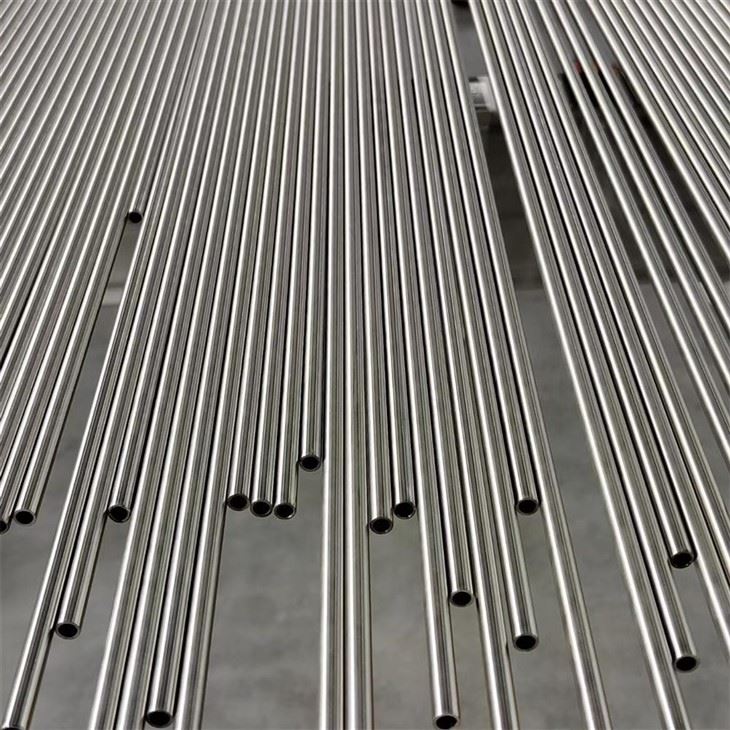
316 stainless steel is another popular choice for bright annealing pipes, especially in applications that need to increase corrosion resistance. It contains 16-18 % chromium, 10-14 % nickel and 2-3 % molybdenum, which can provide excellent drug resistance for chloride environment (such as ocean or coastal applications).
Double Chain Rust Steel
Double chain stainless steel levels, such as 2205 or 2507, are characterized by their high strength and high -quality corrosiveness. They have a hybrid micro -structures of Austenite and iron oxygen, which can improve the resistance of the corresponding force corrosion and spots. Double chain stainless steel is usually used in sea, oil and gas and chemical processing applications.
How to Choose Bright Annealed Tube
Material
Select a stainless steel grade, which has the temperature resistance required for corrosion resistance, strength and application. Ordinary levels include 304, 316, 321 and dual -chain stainless steel.
Surface
Considering the surface surface, whether it is bright, the reflection effect surface is still satin. Different surface treatment, such as electric polishing or mechanical polishing, can achieve different levels of surface smoothness and brightness.
Accuracy
Make sure that the tube meets the required size, including the outer diameter, wall thickness and length. The precise and bright annealing pipe can be used to apply tight -sized tolerances.
Mechanical Behavior
Consider the mechanical properties of the tube, such as stretching strength, yield strength and hardness to ensure that it can withstand the operating stress of the application.
Corrosion Resistance
Evaluate the resistance of the tube to corrosion in a specific environment, including temperature, humidity and chemical exposure.
Pressure Level
Determine the stress level required for the application and choose a tube that can safely bear the work pressure.
Certification and Standard
Ensure that the bright annealing pipe meets related industry standards and certifications, such as ASTM, ASME, or EN standards to ensure its quality and applicability of applications.
Cost
Consider the overall cost of the tube, including materials, manufacturing and completion of costs to ensure that it is suitable for your budget without damage quality or performance.
How to Maintain Bright Annealed Tube
Periodic Inspection
Perform regular inspections of bright annealing pipes to check whether there are signs of corrosion, damage or surface pollution. Find the discoloration, spots or scratches that may show corrosion or mechanical wear.
Clean
Use a mild detergent or a special cleaning agent designed for stainless steel regularly clean and bright annealing pipes. Avoid using a abrasive cleaner or search pad to scrape the surface and damage the bright jewelry.
Rinse
After cleaning, use clean water to thoroughly wash the tube to remove any residual or cleaner. The remaining residual chemicals can cause bright dyeing, corrosion or deterioration.
Avoid Irritating Chemicals
Avoid using irritating chemicals on the surface of the bright annealing pipe, acid or abrasive material. Select clean products for stainless steel and follow the manufacturer's explanation.
Passivation
If it is exposed to harsh environments or corrosive substances, consider regular passivation to restore their corrosion resistance. The passivation eliminates surface pollutants and enhances the protective oxide layer on the surface of stainless steel.
Protective Coating
The protective coating or treatment is applied to a bright annealing pipe to further enhance its corrosion resistance and durability. Coating such as transparent paint or polymerization film can provide additional protective layers for environmental elements.
Avoid Pollution
By keeping them away from pollutants (such as carbon steel, rust, or dirt) to prevent polluting bright annealing pipes. Store the tube in a clean and dry environment, and handle them with clean gloves or tools to minimize the risk of surface pollution.
Avoid Impact and Wear
Carefully handle the bright annealing tube to avoid impact or wear, thereby destroying the surface. When transporting or storing the tube, use a support or protective cover with a pad to prevent scratches or dental.
Avoid Excessive Calories
Avoid exposing the bright annealing tube to excessive heat, which may cause color change or deformation of stainless steel. Protect the pipes from direct sunlight or thermal source, and maintain proper ventilation during welding or other high temperature operations.
Regular Maintenance Timetable
Establish regular maintenance timetables for bright annealing pipes, including cleaning, inspection and any necessary maintenance or treatment methods. Consistent maintenance practice can help determine problems early and prevent expensive damage or stop time.
How To Use a Bright Annealing Tube Safely
Treatment and Storage
Carefully deal with a bright annealing tube to prevent damage to surface surface damage or potential damage. Use appropriate lifting equipment or technology to move and store tubes safely to avoid falling or loss.
Protective Equipment
Wear proper personal protection equipment (PPE), including gloves, safe mirrors and protective clothing, and handle bright annealing pipes. This helps to prevent the edge of sharpness, cutting and bruising.
Avoid Pollution
Keep the bright annealing tube clean without pollution to maintain its corrosion resistance and surface decorative surface. Store the tube in a clean and dry environment, stay away from pollutants (such as dirt, fat or other metals).
Ventilation
Make sure that welding, cutting or other operations in the area involving bright anneal pipes is performed. Proper ventilation helps remove smoke, gas and air particles, thereby reducing the risk of breathing risk.
Fire Safety
Preventive measures are taken to prevent fire hazards when using bright annealing pipes. Stay flammable materials and ignition sources away from welding or cutting operations, and it is easy to extinguish the fire equipment.
Welding safety
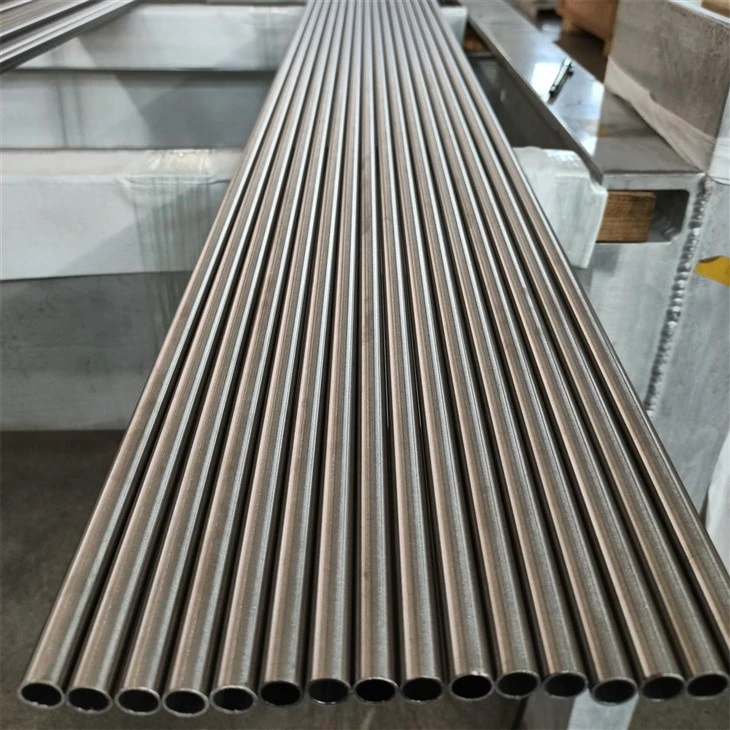
If welding is needed, follow appropriate welding procedures and technologies to prevent accidents and maintain the integrity of stainless steel. Use welding equipment suitable for stainless steel to ensure training for welders and qualified to obtain the job.
Handling Sharp Edges
The sharp edges or burrs are noticed on the bright annealing tube, especially after cutting or processing. Be cautious when dealing with the tube to avoid cutting or damage, and consider making fast or smooth and sharp edges as needed.
Avoid Overheating
Prevent bright annealing tube during welding or other high temperature operations to avoid damaging materials or affecting its characteristics. Follow the recommended temperature limit and cooling procedures to prevent overheating.
Appropriate Tools and Equipment
Use appropriate tools and equipment to cut, bend or manipulate bright annealing pipes. Make sure the tools are in good condition and are suitable for use with stainless steel to prevent damage or accidents.
Industrial Equipment:Bright annealed tubes are used in industrial equipment such as heat exchangers, boilers, pressure vessels, and piping systems where corrosion resistance and durability are essential.
Automotive Industry:These tubes are utilized in automotive components like exhaust systems, fuel lines, hydraulic tubing, and structural components due to their resistance to corrosion and high temperatures.
Aerospace and Aviation:Bright annealed tubes are employed in aerospace applications for hydraulic systems, instrumentation, and structural components due to their strength, lightweight properties, and resistance to harsh environments.
Instrumentation and Control Systems:These tubes are crucial for instrumentation and control systems in various industries, including oil and gas, chemical processing, and pharmaceuticals, where precision, cleanliness, and reliability are paramount.
Food and Beverage Processing:Bright annealed tubes are used in food and beverage processing equipment, including dairy processing, brewing, and bottling, where hygiene, cleanliness, and corrosion resistance are critical.
Medical Devices:In the medical industry, bright annealed tubes are utilized for medical devices, surgical instruments, and diagnostic equipment due to their biocompatibility, cleanliness, and corrosion resistance.
Pharmaceutical Manufacturing:These tubes are employed in pharmaceutical manufacturing processes for conveying fluids, gases, and chemicals, where cleanliness, sterility, and corrosion resistance are essential.
Chemical Processing:Bright annealed tubes find applications in chemical processing plants for transporting corrosive chemicals, acids, and solvents due to their resistance to chemical corrosion and high temperatures.
Water Treatment and Desalination:These tubes are used in water treatment plants and desalination systems for conveying water, chemicals, and fluids due to their corrosion resistance and durability in harsh environments.
Renewable Energy:Bright annealed tubes are utilized in renewable energy systems such as solar thermal collectors, geothermal heat exchangers, and biomass boilers due to their resistance to corrosion and high temperatures.
Certificate


Frequently Asked Questions
Q: What is a bright annealed tube?
Q: How does the annealing process improve the properties of bright annealed tubes?
Q: What are the advantages of using bright annealed tubes?
Q: What are the different types of bright annealed tubes available?
Q: How are bright annealed tubes manufactured?
Q: What are the common materials used for bright annealed tubes?
Q: What are the key considerations when choosing a bright annealed tube?
Q: How can the surface finish of bright annealed tubes be further enhanced?
Q: What industries commonly use bright annealed tubes?
Q: What maintenance practices are recommended for bright annealed tubes?
Q: How can bright annealed tubes be used safely?
Q: What are the typical applications of bright annealed tubes in the automotive industry?
Q: How do bright annealed tubes contribute to the cleanliness and hygiene of food and beverage processing equipment?
Q: What role do bright annealed tubes play in the medical device industry?
Q: How do bright annealed tubes contribute to the efficiency of heat exchangers?
Q: What considerations are important when selecting bright annealed tubes for aerospace applications?
Q: How do bright annealed tubes contribute to the corrosion resistance of hydraulic systems?
Q: What role do bright annealed tubes play in pharmaceutical manufacturing processes?
Q: What are the environmental benefits of using bright annealed tubes in renewable energy systems?
Q: How do bright annealed tubes contribute to the reliability and safety of water treatment and desalination systems?
We're well-known as one of the leading bright annealed tube manufacturers and suppliers in China. Please feel free to wholesale custom made bright annealed tube at competitive price from our factory.
SS 304 Schedule 40