

ALLOK (Jiaxing) Metal Materials : Your Trustworthy Alloy Pipe Manufacturer!
Our company's monthly output is 300,000 meters of stainless steel electropolished pipes, 600,000 meters of stainless steel and nickel alloy bright annealed pipes, and 80 tons of stainless steel AP pipes. Products are widely used in semiconductor, biopharmaceutical, photovoltaic, chemical instrument, automotive industry, special gas engineering and other industries.
Rich Products
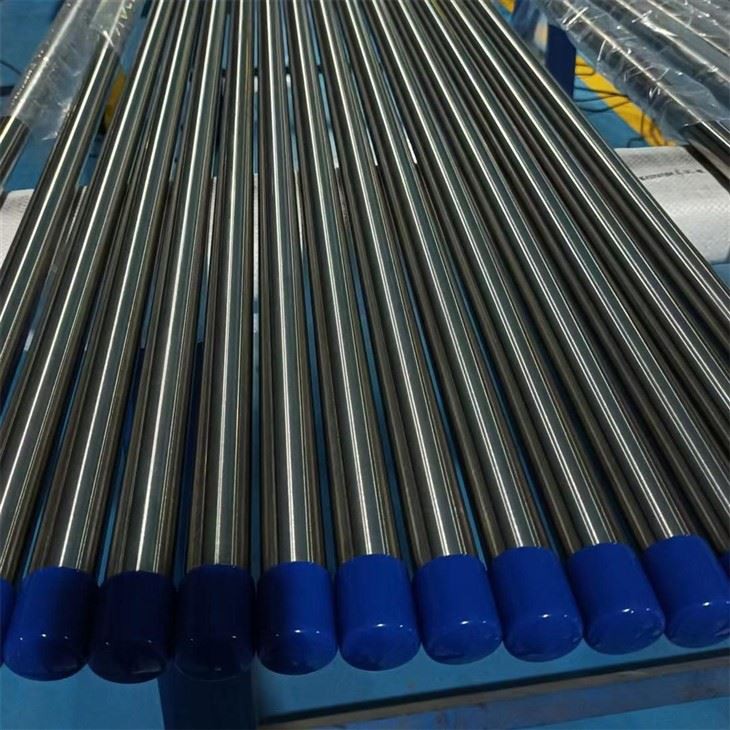
Our company can produce stainless steel tubes, nickel alloy tubes, electrolytic polished tubes, bright annealed tubes, stainless steel coils, stainless steel capillary tubes, alloy tubes, etc.
Products Widely Used
The products produced by our company can be widely used in the biopharmaceutical industry, fine chemical industry, semiconductor industry, instrumentation industry, gas engineering industry and aerospace industry.
Advanced Production Equipment
Our company has advanced production equipment, such as precision cold rolling mills, cold drawing machines, bright annealing furnaces, ultrasonic cleaning tanks, passivation tanks, multi-line electrolytic polishing devices, etc.
Quality Guaranteed
All products we produce have ISO9001:2015 certificates, and all products are strictly tested in accordance with industry standards and contract agreements before leaving the factory. MTC is provided, and third-party testing certificates can be provided when necessary.


What is Alloy Pipe
Alloy pipe is a type of steel pipe made from two or more metals melted together to form an alloy. This alloy material generally has better properties than traditional carbon steel, such as higher strength and greater corrosion resistance. Generally speaking, alloy pipes are used in industries such as oil and gas, petrochemical processing plants, API production lines, etc. There are different grades of alloy tubes available in the market with different mechanical and physical properties such as excellent machinability, formability and weldability, high heat resistance, excellent ductility and toughness, making them suitable for different types of manufacturing Work.
Features of Alloy Pipe
Corrosion Resistance
One of the most celebrated features of Alloy Pipe is their remarkable corrosion resistance. They are often the material of choice in environments where corrosion is a concern. The alloy’s resistance to oxidizing and reducing acids makes it suitable for applications like synthetic rubber, plastics, and organic chemicals.
Mechanical Strength
While corrosion resistance is a significant selling point, Alloy Pipe doesn’t compromise on strength. This alloy showcases excellent mechanical properties, which means that the pipe fittings made from Alloy 20 can withstand high pressures and temperatures, making them perfect for heavy-duty applications in rigorous environments.
Fabrication and Weldability
Ease of fabrication is a pivotal factor in choosing materials for industrial applications. Alloy Pipe excels in this department. The alloy can be effortlessly hot or cold-worked and machined using standard processes. Moreover, its welding characteristics are commendable, allowing for solid and durable joints that maintain the integrity of the entire piping system.
Cost-Effectiveness
When you factor in the longevity and reduced maintenance costs associated with Alloy Pipe it becomes apparent that they offer a cost-effective solution in the long run. Their initial investment might be higher than some other materials, but the reduced downtime, fewer replacements, and lesser repair requirements justify the cost.
Versatility and Range
Alloy Alloy Pipe is versatile. They are available in a range of shapes, sizes, and configurations to cater to the varied needs of industries.
Environmental Impact
In today's eco-conscious world, it's worth noting that Alloy Pipe is a sustainable choice. Its durability means fewer replacements and less waste. Furthermore, its ability to resist corrosion ensures minimal leakages, thereby preventing environmental hazards. Additionally, its production processes are continually being refined to reduce environmental impacts.
Types of Alloy Pipe
Seamless Pipe
A pipe that has an absence of weld joints or seams is known as a seamless pipe. It can withstand intense or extreme temperatures and pressure. All the tanks go to the metal. The seamless pipe gets utilized in a comprehensive range of applications like gas and oil application. They are also utilized in mechanical as well engineering industries. This is what makes it versatile before they reach the client; it got inspected with a precision level that makes sure its high-quality assurance.
Welded Pipe
Almost in every industry, welded pipes got used because of their flexibility. However, they cost better when it comes to serving high corrosion resistance, thus opposing the pressure. The welded pipes are lightweight because of the kind of material used. They are cost-effective as compared to other piping methods when it comes to paying your money.
Pipe Flanges
Another important part overall piping system is required is pipe flanges. The pipe flanges are available in a variety like threaded, semis, lap joints, and blinds. They are sturdy material and durable which ensure the offering of high-quality product with the utmost level of reliability.
Process of Alloy Pipe
Melting and Alloying
Once the Alloy is obtained, it is melted in an electric arc furnace or a vacuum arc furnace. Alloying elements, such as aluminum (Al), vanadium (V), or nickel (Ni), are added in precise proportions to create the desired titanium alloy composition. The specific alloy composition will depend on the intended application of the pipe.
Ingot Formation
The molten Alloy is cast into ingots or billets of various sizes and shapes. These ingots serve as the raw material for further processing.
Forging Or Extrusion
In the case of large-diameter pipes, the ingots are typically forged or extruded into the desired pipe shape. Forging involves compressing the heated ingot between two dies to shape it, while extrusion involves pushing the heated material through a die to form a pipe shape.
Heat Treatment
After forging or extrusion, the Alloy pipes are subjected to heat treatment processes to optimize their mechanical properties and eliminate internal stresses. Annealing and solution heat treatment are common methods used to achieve this.
Cold Working (Optional)
Depending on the required dimensions and properties, the pipes may undergo cold working processes like cold rolling or cold drawing to achieve the desired dimensions and surface finish.
Machining and Finishing
The pipes may be machined to precise tolerances, and the surface finish is improved through processes like turning, milling, or polishing.
Quality Control
Throughout the production process, rigorous quality control measures are in place to ensure that the pipes meet the specified standards and requirements. This includes testing for mechanical properties, non-destructive testing (e.g., ultrasonic testing), and chemical composition analysis.
Final Inspection and Packaging
Once the pipes pass quality control checks, they are inspected for defects and compliance with customer specifications. They are then packaged and prepared for shipment to customers.
Benefits of Using Alloy Pipe
Exceptional Strength and Durability
Alloy Pipe is celebrated for their remarkable strength, providing structural integrity that exceeds conventional materials. This exceptional durability ensures a longer lifespan, making them well-suited for applications where robustness is paramount.
Temperature Resilience In Extreme Conditions
Alloy Pipe demonstrate a remarkable ability to maintain their structural integrity even in the face of high temperatures. This makes them the material of choice for applications in industries such as petrochemicals and power generation, where exposure to extreme heat is a constant factor.
How to Choose Alloy Pipe
Determine the Application
Understand the purpose of the alloy pipe. Is it for conveying fluids, structural support, high-temperature applications, or corrosive environments? Different alloy materials have varying properties that make them suitable for specific applications.
Assess Material Composition
Identify the specific alloy materials available and their compositions. Alloy pipes are typically made from a combination of metals, such as stainless steel, carbon steel, nickel alloys, or titanium. Each alloy has unique properties that affect its strength, corrosion resistance, and thermal conductivity.
Consider Corrosion Resistance
Evaluate the corrosion resistance requirements of your application. Some alloys, like stainless steel, offer excellent resistance to corrosion from chemicals, moisture, and other corrosive elements. Other alloys may be more suitable for specific corrosive environments, such as those containing sulfuric acid or seawater.
Determine Strength Requirements
Assess the strength properties needed for your application. Consider factors such as the maximum operating pressure, temperature, and load-bearing capacity. Different alloys have varying tensile strength, yield strength, and hardness, so choose one that meets your specific requirements.
Evaluate Temperature Requirements
Determine the maximum and minimum temperatures the alloy pipe will encounter. Some alloys maintain their strength and integrity at high temperatures, while others may experience degradation or loss of mechanical properties. Consider the coefficient of thermal expansion to ensure compatibility with other materials in your system.
Check Standards and Regulations
Ensure the chosen alloy pipe complies with relevant industry standards and regulations. These standards provide guidelines for material composition, manufacturing processes, and performance criteria. Examples include ASTM, ASME, API, and ISO standards.
Consult With Experts
If you're unsure about which alloy pipe to choose, consult with industry experts, engineers, or suppliers. They can provide valuable insights and recommendations based on their experience and knowledge.
Periodic Inspection
Regularly inspect alloy pipes for signs of corrosion, leaks or damage. Look for any signs of deterioration, such as rust, cracks, or corrosion deposits.
Clean
Clean alloy pipes regularly to remove accumulated dirt, debris or corrosion deposits. Use appropriate cleaning solutions and methods recommended for the specific alloy material to avoid damaging the surface.
Precaution
Implement preventive measures to minimize corrosion and damage. This may include applying protective coatings, installing sacrificial anodes, or using corrosion inhibitors as needed.
Repair and Replacement
Repair any discovered problems, such as leaks or damage, immediately to prevent further deterioration. If necessary, replace corroded or damaged portions of alloy tubing to maintain integrity and prevent failure.
Monitor Operating Conditions
Monitor alloy pipe operating conditions, including temperature, pressure and fluid composition. Address any deviations from normal operating parameters promptly to prevent potential damage or corrosion.

How to Store Alloy Pipe
Choose a Suitable Storage Area
Select a storage area that is clean, dry, well-ventilated, and protected from environmental elements such as moisture, direct sunlight, and extreme temperatures. Ideally, the storage area should have a controlled climate to minimize humidity and temperature fluctuations.
Prepare the Storage Area
Ensure that the storage area is free from dust, debris, and any potential contaminants that could cause damage or corrosion to the alloy pipes. Clean the area thoroughly before storing the pipes.
Handle With Care
When moving or transporting alloy pipes, handle them with care to prevent scratches, dents, or other physical damage. Use appropriate lifting equipment or techniques to avoid excessive bending or stress on the pipes.
Protective Measures
Apply protective measures to the alloy pipes before storage. This may include applying a thin layer of rust inhibitor, protective coatings, or wrapping the pipes with suitable materials such as plastic or moisture-resistant wrapping.
Organize and Stack Properly
Properly organize the alloy pipes in the storage area to ensure easy access and minimize the risk of damage. Stack the pipes horizontally on racks or pallets, ensuring that they are adequately supported and do not bend or sag under their own weight. Avoid stacking the pipes too high to prevent instability or accidents.
Avoid Contact With Other Metals
Prevent contact between different types of metals, as this can lead to galvanic corrosion. Keep alloy pipes separate from other metal objects or use appropriate insulating materials to prevent direct contact.
Regular Inspection
Periodically inspect the stored alloy pipes to check for any signs of corrosion, damage, or other issues. If any problems are detected, take appropriate measures to address them promptly.
Applications of Alloy Pipe
Oil and Gas Industry
Alloy pipes are used for transporting oil, gas, and other petroleum products due to their resistance to corrosion and high-pressure capabilities.
Chemical Processing
In chemical plants, alloy pipes are preferred for handling corrosive chemicals and fluids, providing durability and reliability in harsh environments.
Power Generation
Alloy pipes play a crucial role in power plants for conveying steam, water, and other fluids at high temperatures and pressures.
Aerospace and Aviation
In aircraft and spacecraft manufacturing, alloy pipes are used for fuel lines, hydraulic systems, and structural components due to their lightweight and high strength-to-weight ratio.ins'
Automotive Industry
Alloy pipes are utilized in automotive exhaust systems, turbochargers, and other components where resistance to high temperatures and corrosion is essential.
Construction and Infrastructure
Alloy pipes are used in construction projects for plumbing, HVAC systems, and structural supports, offering durability and longevity in demanding conditions.
Marine Industry
In marine applications, alloy pipes are used for seawater piping systems, offshore drilling rigs, and shipbuilding due to their corrosion resistance and strength.
Food and Beverage Processing
Alloy pipes are employed in food processing plants for conveying fluids and maintaining hygiene standards, thanks to their resistance to corrosion and contamination.
Pharmaceutical Industry
Alloy pipes are utilized in pharmaceutical manufacturing for transporting chemicals and liquids in sterile environments, ensuring product purity and safety.
Mining and Minerals
In mining operations, alloy pipes are used for transporting abrasive materials and corrosive fluids, providing reliability and durability in harsh mining environments.
Certificate


Frequently Asked Questions
Q: What is an alloy pipe?
Q: What factors should be considered when selecting alloy pipes?
Q: What are the common alloying elements used in alloy pipes?
Q: How does the alloy composition affect the properties of alloy pipes?
Q: What are the different types of alloy pipes available?
Q: What are the advantages of using alloy pipes over conventional materials?
Q: What are the applications of alloy pipes in the petrochemical industry?
Q: How does the selection of alloy pipe grade impact its performance in high-temperature applications?
Q: What are the considerations for selecting alloy pipes for sour service applications?
Q: How does the manufacturing process differ for alloy pipes compared to carbon steel pipes?
Q: What role do alloy pipes play in the aerospace industry?
Q: How do alloy pipes contribute to the performance of power generation systems?
Q: What are the environmental considerations when selecting alloy pipes for marine applications?
Q: What factors influence the cost of alloy pipes?
Q: How does alloy pipe sizing and wall thickness selection affect system design?
Q: What are the maintenance requirements for alloy pipes in industrial applications?
Q: How do alloy pipes contribute to energy efficiency and sustainability in industrial processes?
Q: What are the challenges associated with welding alloy pipes?
Q: What are the considerations for transporting and handling alloy pipes during installation?
Q: How do alloy pipes contribute to innovation and technological advancement in various industries?
We're well-known as one of the leading alloy pipe manufacturers and suppliers in China. Please feel free to wholesale custom made alloy pipe at competitive price from our factory.
SS 304 ERW Pipe