

ALLOK (Jiaxing) Metal Materials : Your Trustworthy Stainless Steel Tube Manufacturer!
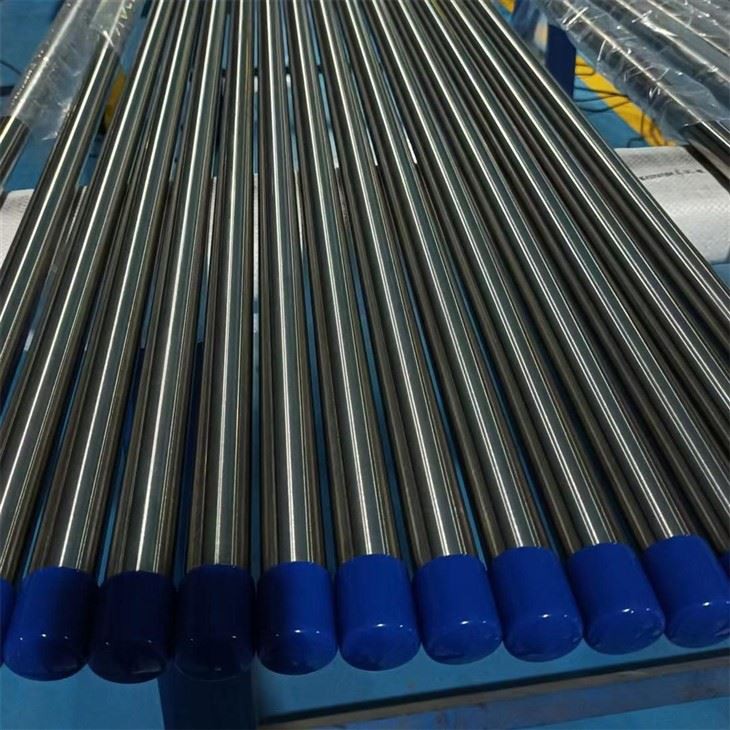
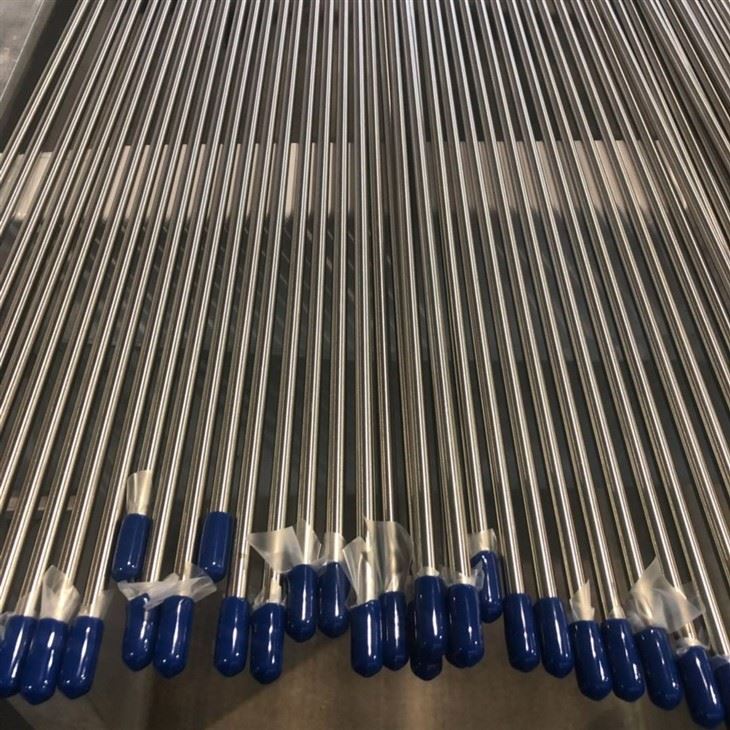
Our company's monthly output is 300,000 meters of stainless steel electropolished pipes, 600,000 meters of stainless steel and nickel alloy bright annealed pipes, and 80 tons of stainless steel AP pipes. Products are widely used in semiconductor, biopharmaceutical, photovoltaic, chemical instrument, automotive industry, special gas engineering and other industries.
Rich Products
Our company can produce stainless steel tubes, nickel alloy tubes, electrolytic polished tubes, bright annealed tubes, stainless steel coils, stainless steel capillary tubes, alloy tubes, etc.
Products Widely Used
The products produced by our company can be widely used in the biopharmaceutical industry, fine chemical industry, semiconductor industry, instrumentation industry, gas engineering industry and aerospace industry.
Advanced Production Equipment
Our company has advanced production equipment, such as precision cold rolling mills, cold drawing machines, bright annealing furnaces, ultrasonic cleaning tanks, passivation tanks, multi-line electrolytic polishing devices, etc.
Quality Guaranteed
All products we produce have ISO9001:2015 certificates, and all products are strictly tested in accordance with industry standards and contract agreements before leaving the factory. MTC is provided, and third-party testing certificates can be provided when necessary.


What is Stainless Steel Tube
Stainless steel tube refers to a cylindrical hollow structure made from stainless steel, a corrosion-resistant alloy primarily composed of iron, chromium, nickel, and other elements. Stainless steel tubes are widely used in various industries and applications due to their exceptional properties, including corrosion resistance, durability, high strength, and aesthetic appeal.
Features of Stainless Steel Tube
One of the most notable benefits of stainless steel tubes is their exceptional corrosion resistance. Unlike traditional carbon steel or other metals, stainless steel contains chromium, which forms a protective oxide layer on the surface, preventing rust and corrosion even in harsh environments. This inherent corrosion resistance makes stainless steel tubes ideal for applications exposed to moisture, chemicals, and corrosive substances, ensuring long-term durability and reliability.
Stainless steel tubes boast impressive strength-to-weight ratios, making them stronger and more durable than many other materials. Whether subjected to high temperatures, heavy loads, or extreme pressures, stainless steel tubes maintain their structural integrity and mechanical properties, minimizing the risk of deformation, cracking, or failure. This inherent strength and durability make stainless steel tubes suitable for demanding industrial applications such as construction, transportation, and heavy machinery.
Stainless steel tubes offer unparalleled versatility, with a wide range of sizes, shapes, and configurations available to meet diverse application requirements. From round, square, and rectangular profiles to seamless and welded constructions, stainless steel tubes can be tailored to fit specific design criteria and manufacturing processes. This adaptability allows engineers and manufacturers to optimize performance, reduce waste, and achieve precise dimensions, enhancing overall efficiency and cost-effectiveness.
Stainless steel tubes offer significant environmental benefits compared to other materials, thanks to their recyclability, longevity, and low environmental impact. Stainless steel is 100% recyclable, with scrap materials being readily melted down and reused to produce new stainless steel products. Additionally, stainless steel tubes have a long service life and require minimal maintenance, reducing the need for replacements and conserving resources over time. By choosing stainless steel tubes, industries can minimize their environmental footprint and contribute to a more sustainable future.
304 Stainless Steel Tubing
304 stainless steel tube is a cylindrical, hollow machine and piping component manufactured of a specific steel alloy and commonly used to transfer fluids and gasses. 304 stainless steel is commonly used in industrial, commercial, and even domestic contexts since it has the great tensile durability and strength that almost all steels are recognized for, and good forming and welding qualities.
316 Stainless Steel Tubes
316 stainless steel tubes are cylindrical, hollow machine and piping parts constructed of a specific grade of steel alloy and used to transfer fluids and gasses most regularly. 316 stainless steel is commonly used in industrial, commercial, and even domestic contexts since it has a high tensile durability strength and that almost all steels are recognized for, as well as good forming and welding qualities. Because its melting point is between 1,350 and 1,400 degrees Celsius, tubes constructed of this material can be employed in high heat applications.
Corrugated Stainless Steel Tubing
A corrugated stainless steel tube is a multi-layered hollow cylindrical object that is utilized as an alternative to typical steel piping as a medium for transporting gasses. This type of tubing, frequently abbreviated CSST, is primarily used in gas distribution businesses as well as residential and industrial commercial applications where gas heating, gas transport, and appliances are commonly used.
Stainless Steel Pipes
A stainless steel pipe is a long stainless steel tube used to transport water, gas, oil, or other materials. Because of stainless steel's strong corrosion resistance, it is employed in applications involving high temperatures, corrosive fluids, and high contaminant levels.
Process of Stainless Steel Tube
Rolling And Welding
With rolling and welding, stainless steel coils are continuously roll formed on a tube mill. The strip edges are welded together using welding techniques such as TIG, high frequency, and laser. Depending on the welding method, the strip edges may have to be prepared to yield a high quality weld. As part of the finishing process, weld beads on the ID and OD of the tube are removed with scarfing, sanding, bead rolling or other means depending on the final application and specification of how the tube is to be made.
Cleaning And Heating
The rolled stainless steel tubes produced in this manner are trimmed to the desired lengths based on industry demand. The stainless pipes and tubes are then cleaned to remove the dirt. These rolled tubes are then heat treated to reduce any stress that may have occurred during the welding and forming procedures. The continuously rolling hearth furnace is used for heat treatment. Temperature controllers and recorders are installed in the furnace. Following the heat treatment procedure, the stainless steel tubing and pipes are straightened and pickled to remove surface scales.
Cold Drawing
In some circumstances, the appropriate size may not be available directly from the mill. The cold operation procedure can then be employed to get the appropriate size. The tubes or pipes are covered with soap and oxalic solution during the cold drawing process. This solution provides lubrication, reducing friction during the cold drawing process. The tube or pipe is dragged over the bench utilizing Die plugs during the cold drawing operation.
Seamless Extrusion
Extrusion, gun drilling, and piercing are common ways of producing seamless stainless steel tubing. The extrusion method, on the other hand, produces the most consistent exterior diameter and, as a result, the most concentric internal diameter. Furthermore, extrusion is the only procedure that is best suited for long length seamless SS coil tubing. The basic material starts as a hot extruded seamless pipe.
Coiling Tube
On specially developed machinery, a straight length of tube is cold drawn in coil shape. Because cold drawing reduces the outside diameter, inside diameter, and wall thickness, the tube lengthens as the product is drawn.
Vacuum Annealing
After cold reduction, long straight lengths of stainless steel tubing and coils are annealed to reduce internal tensions and restore the material’s crystalline structure, allowing for further cold working. The annealing process's fast cooling turns cold-worked, hard, and brittle material back into soft and ductile material.
Benefits of Using Stainless Steel Tube
Material Benefits
The combination of corrosion resistance with high strength helps in reducing the stainless steel’s wall thickness and weight. It can effectively resist heat and chemical damage. Stainless steel has the enhanced capacity to withstand extremely high flow rates- over 40m/s. Thus, it can endure long-term exposure to these conditions in most environment types.
Cost-Efficiency
Stainless steel provides you with cost-saving opportunities. Stainless steel does not require additional coating for both indoor and outdoor applications. Moreover, it requires low maintenance. It has a much longer shelf life, more than 50 years. The upkeep of stainless steel is not so demanding. It significantly helps to reduce downtime, maintenance, and replacement costs during its lifecycle. All of these factors contribute to cost savings.
How to Choose Stainless Steel Tube
The first and foremost factor to consider when selecting stainless steel tubes is the material grade and chemical composition. The chemical composition determines the characteristics of the tube. The most commonly used grades of SS tubes are 304, 316, and 317. 304 stainless steel tubes are widely used in various industries for their excellent corrosion resistance. The 316-grade stainless steel tubes are characterized by their superior resistance to pitting and crevice corrosion. The 317L grade stainless steel tubes are used in high-temperature environments.
Stainless steel tubes are available in different dimensions and shapes. The dimensions determine the inner and outer diameter of the tube, wall thickness, and length. The tubes’ shapes affect the fluid flow, pressure, and temperature. The most common shapes of stainless steel tubes are round, rectangular, and square. Depending on your application, the dimensions and shapes of stainless steel tubes must be selected.
The operating conditions at your facility are important to consider when selecting the right stainless steel tube. These conditions include temperature, pressure, and corrosion resistance requirements. Stainless steel tubes that operate in high-temperature environments require grades such as 304H, 321H, and 347H. On the other hand, stainless steel tubes that operate in low-temperature environments require the grade 304L.
Another critical factor to consider when selecting stainless steel tubes is the cost. While cost is not the only factor to consider, selecting tubes that fit your budget is essential. Stainless steel tubes require high initial investments. However, selecting high-quality tubes and making the right selection based on the application is necessary to ensure that you save on maintenance and replacement costs.
Finally, the certification and compliance of the stainless steel tube are essential factors to consider. Stainless steel tubes must adhere to international standards to ensure they are safe, reliable and durable. The most common standards for stainless steel tubes include ASTM A269, ASTM A312, and ASTM A213. These standards ensure that the tubes are produced using high-quality raw materials and undergo strict quality testing and approval. The certification and compliance of the tube must be checked before purchasing.
How to Maintain Stainless Steel Tube
Regular Cleaning
Clean stainless steel tubes regularly to remove dirt, grime, and surface contaminants. Use mild soap or detergent and warm water to wash the tubes, then rinse thoroughly with clean water. Avoid using abrasive cleaners or harsh chemicals that can damage the surface.
Avoid Scratches
Prevent scratches and abrasions on the surface of stainless steel tubes by using soft cloths, sponges, or brushes during cleaning. Avoid using steel wool, abrasive pads, or rough cleaning tools that can scratch the surface and compromise the corrosion resistance of the material.
Directional Cleaning
Clean stainless steel tubes in the direction of the grain or polishing lines to maintain the original finish and texture. Wipe the tubes gently in long, straight strokes rather than circular motions to prevent streaking or scratching.
Remove Stains Promptly
Promptly remove any stains or discoloration on stainless steel tubes to prevent permanent damage. Use specialized stainless steel cleaners or polishes to remove stubborn stains, rust spots, or oxidation. Follow the manufacturer's instructions carefully and test the product on a small, inconspicuous area first.
Passivation
Periodically passivate stainless steel tubes to restore their corrosion resistance and prevent surface contamination. Passivation is a chemical process that removes iron and other impurities from the surface of stainless steel, creating a protective oxide layer. Consult a professional for passivation treatments or follow industry guidelines for safe and effective passivation procedures.
Protective Coatings
Apply protective coatings or sealants to stainless steel tubes to enhance their resistance to corrosion, staining, and environmental damage. Choose coatings specifically designed for stainless steel surfaces and follow the manufacturer's instructions for application and maintenance.
Avoid Contact With Chlorides
Minimize exposure to chloride-containing substances such as saltwater, bleach, or cleaning products containing chlorine, as they can cause pitting corrosion and damage to stainless steel tubes. Rinse the tubes thoroughly after exposure to chlorides and dry them completely to prevent corrosion.
Inspect For Damage
Regularly inspect stainless steel tubes for signs of damage, corrosion, or degradation. Look for cracks, pitting, discoloration, or surface irregularities that may indicate corrosion or mechanical stress. Address any issues promptly to prevent further deterioration and maintain the integrity of the tubes.
Avoid Contact With Dissimilar Metals
Prevent galvanic corrosion by avoiding direct contact between stainless steel tubes and dissimilar metals such as carbon steel, aluminum, or copper. Use appropriate insulation or separation methods to minimize contact and reduce the risk of corrosion.
Follow Manufacturer Recommendations
Follow the manufacturer's recommendations and guidelines for proper maintenance, cleaning, and care of stainless steel tubes. Consult technical specifications, warranty information, and product documentation for specific instructions tailored to your stainless steel tubing products.
Auto Industry
Stainless steel pipe is used in exhaust systems, fuel lines, brake systems and structural components because of its high temperature resistance and strength.
Chemical Processing
They are used in chemical plants to transport corrosive liquids, gases, and process piping where resistance to chemical attack is critical.
Buildings and Infrastructure
Stainless steel pipe is used in building components, handrails, railings, and infrastructure projects in bridges, buildings, and water treatment facilities.
Food and Beverage Industry
These pipes are used in food processing equipment, dairy plants and brewery systems because they do not impart flavor and resist contamination.
Petroleum and Natural Gas
Stainless steel pipe is used in oil and gas drilling, exploration and transportation due to its excellent mechanical properties and resistance to extreme conditions.
Marine Industry
Due to their corrosion resistance, these pipes are ideal for shipbuilding, offshore structures, and marine equipment exposed to seawater and salty air.
Medical Instruments
Because stainless steel tubing is biocompatible and sterile, it can be used for the delivery of medical devices, surgical implants, and medical gases.
Heating and Cooling Systems
They are used in boilers, heat exchangers and air conditioning systems because of their ability to withstand high temperatures and pressures.
Energy Field
Stainless steel pipes are used in renewable energy systems such as solar thermal plants and geothermal installations because of their durability and efficiency.
Aerospace
The aerospace industry uses stainless steel tubing for hydraulic systems, engine components, and a variety of structural applications that require lightweight, high-strength materials.
Certificate


Frequently Asked Questions
Q: What is stainless steel tubing?
Q: How is stainless steel tubing manufactured?
Q: What are the advantages of using stainless steel tubing?
Q: What are the different grades of stainless steel tubing?
Q: What are the applications of stainless steel tubing?
Q: How does stainless steel tubing resist corrosion?
Q: Can stainless steel tubing withstand high temperatures?
Q: How do you select the right grade of stainless steel tubing for a specific application?
Q: What are the differences between seamless and welded stainless steel tubing?
Q: What are the common shapes and sizes of stainless steel tubing?
Q: How is stainless steel tubing measured and specified?
Q: What factors should be considered when designing with stainless steel tubing?
Q: Can stainless steel tubing be customized for specific applications?
Q: How is stainless steel tubing tested for quality assurance?
Q: What are the considerations for installing stainless steel tubing?
Q: How does stainless steel tubing compare to other materials like carbon steel or aluminum?
Q: Can stainless steel tubing be recycled?
Q: What are the limitations of stainless steel tubing?
Q: How can stainless steel tubing be maintained and cleaned?
Q: What are the emerging trends in stainless steel tubing technology?
We're well-known as one of the leading stainless steel tube manufacturers and suppliers in China. Please feel free to wholesale custom made stainless steel tube at competitive price from our factory.
s32750 pipe,