

ALLOK (Jiaxing) Metal Materials : Your Trustworthy 310 Stainless Steel Pipe Manufacturer!
Our company's monthly output is 300,000 meters of stainless steel electropolished pipes, 600,000 meters of stainless steel and nickel alloy bright annealed pipes, and 80 tons of stainless steel AP pipes. Products are widely used in semiconductor, biopharmaceutical, photovoltaic, chemical instrument, automotive industry, special gas engineering and other industries.
Rich Products
Our company can produce stainless steel tubes, nickel alloy tubes, electrolytic polished tubes, bright annealed tubes, stainless steel coils, stainless steel capillary tubes, alloy tubes, etc.
Products Widely Used
The products produced by our company can be widely used in the biopharmaceutical industry, fine chemical industry, semiconductor industry, instrumentation industry, gas engineering industry and aerospace industry.
Advanced Production Equipment
Our company has advanced production equipment, such as precision cold rolling mills, cold drawing machines, bright annealing furnaces, ultrasonic cleaning tanks, passivation tanks, multi-line electrolytic polishing devices, etc.
Quality Guaranteed
All products we produce have ISO9001:2015 certificates, and all products are strictly tested in accordance with industry standards and contract agreements before leaving the factory. MTC is provided, and third-party testing certificates can be provided when necessary.

What is 310 Stainless Steel Pipe
310 stainless steel pipe is a type of austenitic stainless steel that is known for its high chromium and nickel content, which provides exceptional corrosion resistance and the ability to withstand high temperatures without losing strength. It contains approximately 24% chromium and 20% nickel, along with small amounts of carbon, manganese, silicon, and iron. The chemical composition of 310 stainless steel makes it suitable for applications that involve exposure to oxidizing atmospheres at high temperatures, such as furnace liners, heat exchangers, and parts of combustion equipment. Its high chromium content forms a stable and passive chromium oxide layer on the surface, protecting the underlying metal from further oxidation and corrosion. The nickel content enhances ductility and formability, allowing the pipe to be easily fabricated and welded.
Highly Durable
One of the primary benefits of 310 Stainless Steel Pipe is that they are highly durable. This type of steel is resistant to corrosion, so it will not rust or corrode over time. Styl steel 310 pipes are also heat-resistant, making them ideal for use in high-temperature environments.
Low Maintenance
Another benefit of 310 Stainless Steel Pipe is that they require low maintenance. This type of steel is easy to clean and does not require special cleaners or treatments. Styl steel 310 pipes are less likely to harbour bacteria or other contaminants.
Versatile
Stainless steel 310 Stainless Steel Pipe is versatile and can be used in various applications. This type of steel can be used for both commercial and industrial applications. Additionally, stainless steel 310 pipes can be used in various industries, such as food processing, pharmaceuticals, and chemical manufacturing.
Recyclable
Another benefit of stainless steel 310 Stainless Steel Pipe is that they are recyclable. This means they can be melted down and reused to create new products. Recycling stainless steel 310 pipes also help conserve natural resources and reduce pollution.
Cost-Effective
Finally, stainless steel 310 Stainless Steel Pipe is cost-effective. This type of steel is typically less expensive than other types of metals, such as aluminium or copper. Additionally, stainless steel 310 pipes often last longer than other types of pipes, which can help to save money over time.
Types of 310 Stainless Steel Pipe
Seamless Pipe
Manufactured by hot extrusion followed by hot working, seamless pipes have no welded seams, providing superior strength and smoothness. They are commonly used in applications requiring high-pressure and high-temperature environments.
01
Welded Pipe
Made by joining coils or sheets of stainless steel through welding, welded pipes are more cost-effective than seamless pipes but can have slightly lower strength due to the presence of welds. They are suitable for many general-purpose applications.
02
ERW Pipe
This is a type of welded pipe where the seam is created by passing an electric current through the material being joined, causing it to melt and fuse together. ERW pipes are widely used in the construction of fluid transport systems.
03
Buttwelded Pipe
Butt-welded pipes have ends that are prepared with beveled edges and then welded together. This type of joint provides excellent strength and is often used in piping systems requiring high-integrity
04
Socket Welded Pipe
Socket welded pipes are designed to be connected using a socket that slips over the end of the pipe. The connection is made by welding the socket to the pipe, providing a strong joint suitable for lower-pressure applications.
05
Melt and Cast
The first step involves melting stainless steel ingots, which contains the necessary chemical composition of 310 steel. The melting metal is then cast into a policy or flowering, and they are the metal solid bars that are further processed.
Hot Rolling
Heat the square or flowers to high temperature and use a series of drums to reduce its cross section area and produce longer materials. This process is called hot rolling.
Rough Shape
After hot rolling, you can use piercing and extruded methods to further form a tubular rough.
Draw Or Squeeze Out
Tube rough will be drawn or extruded, and they are pulled or pushed into the mold to achieve the required outer diameter and the wall thickness of the pipeline. Drawings are usually used for smaller diameter, and squeeze is more suitable for larger diameter.
Thermal Treatment
In order to enhance mechanical properties and improve corrosion resistance, pipelines may be heat treatment process such as solution annealing. This involves heating the pipeline to a certain temperature, and then cooled quickly in water or air.
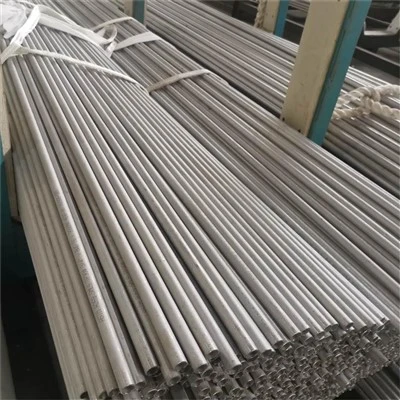
Straighten
With the drawing or squeezing of the pipeline, they may become slightly bent or bending. Use a roller or other straightening device to make them straight to ensure that they meet the required specifications.
Cut and End Preparation
Cut the pipes into the required length and prepare welding or other types of connections. This may involve tilting edges to create cone -shaped outlines, which allows stronger welds.
Welding
For seamless pipelines, this step is skipped because there is no seam. However, for the welding pipeline, the edges of the pipeline are welded together with processes such as resistance welding (ERW), submerged arc welding (SAW) or Gas Tunsen ARC welding (GTAW).
Check and Test
The pipeline is performed by the visual inspection, and the X -ray or ultrasonic test (such as X -ray or ultrasound test) can also be used for defects for testing. There was also a stress test to ensure the integrity of the pipeline under operational conditions.
Finish
Finally, the pipe can be cleaned, passivation to enhance its corrosion resistance, and give the final polishing agent when needed. Then mark them, packaged and transport them to customers.
How to Choose 310 Stainless Steel Pipe
Application
Determine the intended use of the pipe. Is it for high-temperature service, corrosive environments, structural support, or conveying fluids? Understanding the application helps in selecting the right material properties.
Temperature Rating
Consider the maximum operating temperature of the system. 310 stainless steel has good high-temperature properties, but the exact temperature range will affect the choice of pipe size and wall thickness.
Corrosion Resistance
Evaluate the chemical environment where the pipe will be used. 310 stainless steel offers excellent corrosion resistance, but specific alloy compositions or surface treatments may be needed for particularly aggressive conditions.
Pressure Requirements
Calculate the maximum pressure that will be exerted on the pipe. This will influence the selection of the pipe's diameter, wall thickness, and schedule.
Material Specification
Review the relevant standards and specifications, such as ASTM A333 Grade 6 or ASME B36.19M, which provide guidelines for stainless steel pipe dimensions, tolerances, and mechanical properties.
Wall Thickness and Schedule
Select the appropriate wall thickness and schedule to ensure the pipe can handle the expected pressure without failing. Higher schedules indicate thicker walls and higher pressure ratings.
Compatibility With Other Materials
Ensure that the 310 stainless steel pipe is compatible with any other materials it will come into contact with, such as gaskets, valves, and fittings.
Fabrication and Installation
Consider how the pipe will be fabricated and installed. Some applications may require pipes that are easier to bend or weld. Also, think about accessibility for maintenance and replacement.
Budget and Cost-Effectiveness
Balance the performance requirements with the budget. While 310 stainless steel is a premium material, there may be cost-effective alternatives that meet most of the needs at a lower price point.
Certifications and Quality
Look for pipes that have been certified by reputable organizations and come with quality assurance documentation. This ensures that the pipes meet industry standards and are reliable for their intended use.
How to Maintain 310 Stainless Steel Pipe
Regular Visual Examination
Check the signs of whether the pipeline is damaged, such as cracks, deresses, rust or corrosion. Pay special attention to areas with high pressure or close to welds.
Clean
Use the appropriate cleaner to clean the outside of the pipe to remove dirt, dirt and pollutants. For internal cleaning, rinse with water or cleaning fluid suitable for transporting fluids. Avoid grinding cleaner, these cleaner may scrape the surface and damage the corrosiveness.
Passivation
The passivation is a process of restoring the natural chromium oxide layer on the surface of stainless steel, thereby enhancing its corrosion resistance. Can chemically be chemically exposed to the atmosphere of controlling the atmosphere.
Corrosion Protection
In the corrosive environment, consider using a protective coating or a cathode protection system to prevent corrosion. Choose coatings according to specific environmental conditions and compatibility with stainless steel.
Avoid Chemical Damage
Pay attention to chemicals that may react with stainless steel (such as chloride, sulfide and acid or alkali). When dealing with such substances, use appropriate pipeline materials or take preventive measures to expose to the greatest extent.
Install Correctly
Make sure the pipeline is installed correctly and provide appropriate support and extended joints to manage thermal expansion and contraction. Improper installation will lead to increased pressure and premature failure.
Welding Prevention Measures
If you need to weld on the pipeline, use compatible filling materials and follow appropriate welding procedures to avoid damage to the heating area (HAZ) and ensure welding quality.
Valve and Accessories
Regularly check and maintain all valves and accessories related to pipelines to ensure that they run smoothly without leakage, which may introduce corrosive elements.
Pressure Test
Perform stress tests regularly to ensure that the pipeline can withstand the work pressure designed without leaking or deformation.
Cleanliness
Ensure that the pipes are clean and free from any contaminants such as dirt, grease, or other foreign particles before storage. Cleaning can be done using a mild detergent solution and water followed by thorough rinsing and drying.
Dry Environment
Store the stainless steel pipes in a dry environment to prevent moisture accumulation, which can lead to corrosion. Avoid areas prone to condensation or high humidity levels.
Protection From Elements
Protect the pipes from exposure to harsh elements such as rain, snow, and direct sunlight. Use covers or tarps to shield the pipes if storing them outdoors.
Elevated Storage
Store the pipes off the ground to prevent contact with moisture or potential contaminants. Pallets or racks can be used to elevate the pipes and provide adequate ventilation underneath.
Avoiding Stacking
Avoid stacking multiple pipes directly on top of each other, as this can lead to deformation or damage to the lower pipes. Use supports or spacers between layers to distribute weight evenly.
Segregation
Store different sizes or types of pipes separately to prevent scratching or damage during storage. Segregate the pipes based on their specifications to facilitate easy identification and retrieval.
Regular Inspection
Periodically inspect the stored pipes for any signs of corrosion, moisture accumulation, or damage. Address any issues promptly to prevent further deterioration.
Appropriate Handling
Handle the pipes carefully during storage to avoid dents, scratches, or other forms of damage. Use appropriate lifting equipment and handling procedures to minimize the risk of accidents.
Labeling
Label the stored pipes with relevant information such as size, material grade, and storage date for easy identification and inventory management.
Rotation
Implement a first-in, first-out (FIFO) rotation system to ensure that older inventory is used first, minimizing the risk of prolonged storage and potential degradation.
Applications of 310 Stainless Steel Pipe
Stainless steel 310 pipes are often used in chemical processing applications because they resist corrosion from various acids and other chemicals. They are also resistant to high temperatures, making them ideal for use in processes involving high temperatures.
Stainless steel 310 pipes are also commonly used in food processing applications. They are often used in constructing food processing equipment, such as conveyor belts, and in transporting food products. Additionally, they are often used in the storage of food products.
Stainless steel 310 pipes are also commonly used in pharmaceutical applications. They are often used in the construction of pharmaceutical manufacturing equipment and in the transportation and storage of pharmaceutical products. Additionally, they are often used in the piping of pharmaceutical manufacturing processes.
Stainless steel 310 pipes are also commonly used in power generation applications. They are often used in the construction of power plant equipment, as well as in the piping of power generation processes. Additionally, they are often used to transport power plant products and waste.
Stainless steel 310 pipes are also commonly used in oil and gas applications. They are often used in the construction of oil and gas pipelines and in the transportation and storage of oil and gas products. Additionally, they are often used in the piping of oil and gas production processes.
Certificate


Frequently Asked Questions
Q: What is 310 Stainless Steel Pipe?
Q: What are the main properties of 310 Stainless Steel Pipe?
Q: What are the chemical compositions of 310 Stainless Steel Pipe?
Q: What are the applications of 310 Stainless Steel Pipe?
Q: What are the advantages of using 310 Stainless Steel Pipe?
Q: How does 310 Stainless Steel Pipe perform under high temperatures?
Q: What are the different types of 310 Stainless Steel Pipe available?
Q: How does 310 Stainless Steel Pipe compare to other stainless steel grades?
Q: What are the limitations of 310 Stainless Steel Pipe?
Q: How is 310 Stainless Steel Pipe fabricated?
Q: What are the factors to consider when selecting 310 Stainless Steel Pipe for a specific application?
Q: How does 310 Stainless Steel Pipe resist corrosion?
Q: What are the different finishes available for 310 Stainless Steel Pipe?
Q: How does 310 Stainless Steel Pipe perform in acidic environments?
Q: What are the physical properties of 310 Stainless Steel Pipe?
Q: How is 310 Stainless Steel Pipe heat treated?
Q: What are the welding techniques used for 310 Stainless Steel Pipe?
Q: How does 310 Stainless Steel Pipe perform in cryogenic environments?
Q: What are the maintenance requirements for 310 Stainless Steel Pipe?
Q: How does 310 Stainless Steel Pipe contribute to sustainability?
We're well-known as one of the leading 310 stainless steel pipe manufacturers and suppliers in China. Please feel free to wholesale custom made 310 stainless steel pipe at competitive price from our factory.
317L Stainless Steel Pipe