

ALLOK (Jiaxing) Metal Materials : Your Trustworthy Stainless Steel Coil Tubing Manufacturer!
Our company's monthly output is 300,000 meters of stainless steel electropolished pipes, 600,000 meters of stainless steel and nickel alloy bright annealed pipes, and 80 tons of stainless steel AP pipes. Products are widely used in semiconductor, biopharmaceutical, photovoltaic, chemical instrument, automotive industry, special gas engineering and other industries.
Rich Products
Our company can produce stainless steel tubes, nickel alloy tubes, electrolytic polished tubes, bright annealed tubes, stainless steel coils, stainless steel capillary tubes, alloy tubes, etc.
Products Widely Used
The products produced by our company can be widely used in the biopharmaceutical industry, fine chemical industry, semiconductor industry, instrumentation industry, gas engineering industry and aerospace industry.
Advanced Production Equipment
Our company has advanced production equipment, such as precision cold rolling mills, cold drawing machines, bright annealing furnaces, ultrasonic cleaning tanks, passivation tanks, multi-line electrolytic polishing devices, etc.
Quality Guaranteed
All products we produce have ISO9001:2015 certificates, and all products are strictly tested in accordance with industry standards and contract agreements before leaving the factory. MTC is provided, and third-party testing certificates can be provided when necessary.


What is Stainless Steel Coil Tubing
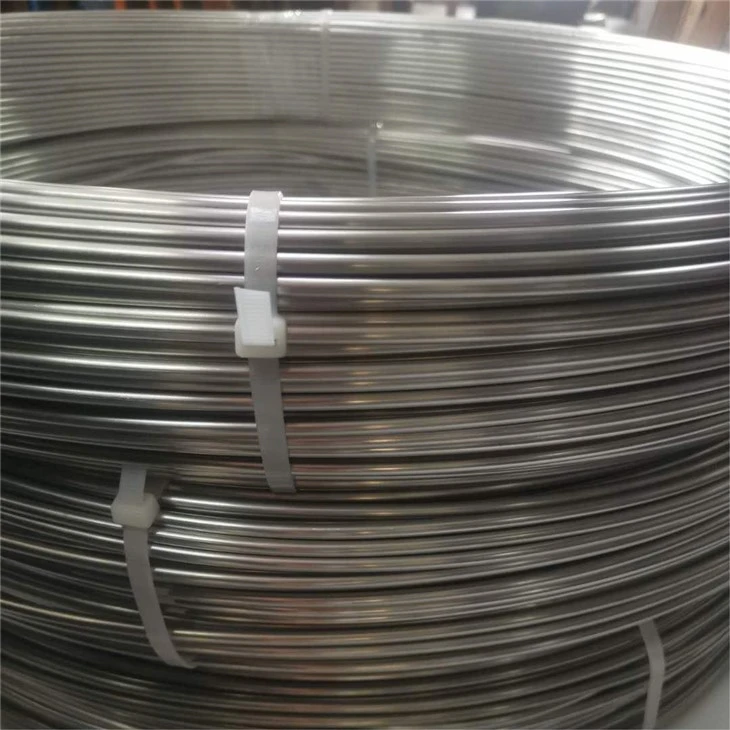
Stainless steel coil tubing refers to a type of tubing that is manufactured in long continuous lengths and then wound onto a reel or spool in a coiled form. This tubing is typically made from stainless steel, which is an alloy containing iron, chromium, and often nickel, along with other elements that provide corrosion resistance and enhanced mechanical properties. The coil configuration offers several advantages, including ease of storage, transportation, and deployment in various applications. Stainless steel coil tubing is widely used in industries where corrosion resistance and durability are critical, such as in oil and gas well drilling, chemical processing, and food and beverage manufacturing.
Durability
Stainless steel tubing is incredibly durable, making it perfect for industrial applications. Unlike other materials such as plastic or copper, stainless steel doesn’t corrode easily, which makes it an ideal material for use in products that may come into contact with moisture or liquids.
Cost-Effective
Although stainless steel tubing may seem expensive, it’s a cost-effective option in the long run. With its durability, stainless steel tubing coil lasts much longer than other materials, requiring less frequent replacement. This not only saves time but also saves money on repair and replacement costs.
Versatility
Stainless steel tubing coil is versatile in its application, making it an ideal option for many industries. It can be manufactured in various shapes and sizes, making it possible to accommodate different applications. It’s also used in high-pressure applications that require reliable, durable tubing.
Easy To Clean
Stainless steel tubing coil is easy to maintain compared to other materials. Since it doesn’t easily corrode or rust, it’s possible to keep it clean and hygienic even when used in industries where cleanliness is essential, such as the food and beverage industry.
Environmentally Friendly
As a material, stainless steel is 100% recyclable, making it eco-friendly. Additionally, its long lifespan generates less waste, which is excellent news for companies that want to reduce their carbon footprint.
Types of Stainless Steel Coil Tubing
304 Stainless Steel Tubing
304 stainless steel tube is a cylindrical, hollow machine and piping component manufactured of a specific steel alloy and commonly used to transfer fluids and gasses. 304 stainless steel is commonly used in industrial, commercial, and even domestic contexts since it has the great tensile durability and strength that almost all steels are recognized for, and good forming and welding qualities.
316 Stainless Steel Tubes
316 stainless steel tubes are cylindrical, hollow machine and piping parts constructed of a specific grade of steel alloy and used to transfer fluids and gasses most regularly. 316 stainless steel is commonly used in industrial, commercial, and even domestic contexts since it has a high tensile durability strength and that almost all steels are recognized for, as well as good forming and welding qualities. Because its melting point is between 1,350 and 1,400 degrees Celsius, tubes constructed of this material can be employed in high heat applications.
Corrugated Stainless Steel Tubing
A corrugated stainless steel tube is a multi-layered hollow cylindrical object that is utilized as an alternative to typical steel piping as a medium for transporting gasses. This type of tubing, frequently abbreviated CSST, is primarily used in gas distribution businesses as well as residential and industrial commercial applications where gas heating, gas transport, and appliances are commonly used.
Stainless Steel Pipes
A stainless steel pipe is a long stainless steel tube used to transport water, gas, oil, or other materials. Because of stainless steel's strong corrosion resistance, it is employed in applications involving high temperatures, corrosive fluids, and high contaminant levels.
Stainless Steel Square Tubing
Stainless steel square tubing is a hollow pipe-like piece of hardware with four equal-length sides constructed from a number of steel alloys. Although these tubes, like their cylindrical counterparts, can be utilized for gas and fluid transfer, square tubing is most commonly used in structural and support design schemes.
Stainless Steel Tubes
Stainless steel tubes are cylindrical, hollow items that are utilized as equipment components or as a medium for fluids to travel through. The usage of stainless steel in the construction of tubes is due to the favorable qualities of stainless steel, which is the most commonly used material in tubing production.
Materials of Stainless Steel Coil Tubing
304 Stainless Steel
This grade contains 18% chromium and 8% nickel, making it highly corrosion-resistant and suitable for use in a variety of environments. It is one of the most versatile and widely used stainless steel alloys.
316 Stainless Steel
Similar to 304, but with the addition of molybdenum (2-3%), 316 stainless steel has better corrosion resistance, especially to chlorides and other industrial solvents. It is typically used in harsher environments such as offshore oil platforms and desalination plants.
304L
304L helps minimize sensitization (precipitation of chromium carbide at grain boundaries) and improves weldability.
Process of Stainless Steel Coil Tubing
Material Selection
The first step is to select the appropriate grade of stainless steel for your pipes. Stainless steel comes in different grades, such as 304, 316, and 321, each with its own unique properties. The choice depends on the specific application and required pipe properties, such as corrosion resistance, temperature resistance and strength.
Pipe Forming
Shape selected stainless steel into tube shape. This can be accomplished through a variety of methods, including seamless or welded pipe production. Seamless pipe is formed by piercing a solid stainless steel blank and then elongating it to the desired length and diameter. Welded pipe, on the other hand, is formed by rolling stainless steel flat strip into a tube shape and then welding the edges together.
Cold Rolled
After the initial tube forming, the stainless steel tube undergoes a cold rolling process. Cold rolling reduces the diameter and wall thickness of the pipe while improving its surface finish and dimensional accuracy. The process involves passing the pipe through a series of rollers that gradually reduce its size.
Annealing
Cold-rolled stainless steel tubes are subsequently annealed. Annealing involves heating the tube to a specific temperature and holding it for a certain period of time. This process helps eliminate internal stress, improve ductility, and enhance the corrosion resistance of stainless steel.
Winding
After the annealing process is completed, the stainless steel tube is rolled into a continuous spiral shape. Coiling is usually done using specialized machinery that carefully winds the tube into a tight coil without causing any damage or distortion.
Finishing
After coiling, stainless steel coils can undergo additional finishing operations depending on specific requirements. This may include processes such as polishing, cleaning or surface treatments to enhance the appearance and performance of the pipe.
Testing and Inspection
Stainless steel coiled pipe undergoes rigorous testing and inspection before being transported or used to ensure its quality and compliance with industry standards. This may involve various non-destructive testing methods such as ultrasonic testing, eddy current testing or visual inspection.
How to Choose Stainless Steel Coil Tubing
Material Grade
Stainless steel coils are available in different grades, such as 304, 316, and 321, and each grade has its own unique properties. Consider the environmental conditions to which the pipe will be exposed, such as temperature, pressure, and corrosive substances. Choose a grade that provides the necessary corrosion resistance, strength and temperature resistance for your application.
Size
Determine the required size and dimensions of the coil, including outer diameter, wall thickness, and length. These specifications depend on factors such as flow rate, pressure, and space constraints of the application. Make sure the pipe size you choose is compatible with the fittings and connectors you plan to use.
Application
Consider the specific industries and applications where coils are used. Different industries, such as oil and gas, chemical processing or medical, may have specific requirements. For example, if the pipe will be used in high-pressure or high-temperature applications, you may need thicker-walled, stronger pipe.
Corrosion Resistance
Stainless steel is known for its excellent corrosion resistance, but different grades of stainless steel have different levels of corrosion resistance to different corrosive substances. Consider the specific chemicals or environments the pipe will be exposed to and choose a grade that provides adequate resistance. For highly corrosive environments, grades such as 316 or 321 are often preferred.
Surface Finish
The surface finish of the coil affects factors such as cleanliness, ease of cleaning and resistance to dirt. Smooth and polished surfaces are generally easier to clean and less susceptible to staining. Consider whether your application requires a specific surface treatment, such as polishing or electropolishing.
Meet Standards
Ensure that stainless steel coils comply with relevant industry standards and specifications. This ensures that the pipes are manufactured to meet specific quality and performance requirements. Common standards for stainless steel pipe include ASTM A269 and ASTM A213.
Scrub Gently
Use a soft cloth, sponge, or non-abrasive brush to gently scrub the pipes. This helps remove any dirt, stains or residue that may have accumulated on the surface. Avoid using abrasive materials or brushes that may scratch or damage the stainless steel.
Rinse Thoroughly
After scrubbing, rinse the stainless steel coil thoroughly with clean water. Make sure to remove all traces of cleaning solution from the pipes.
Drying Pipe
Use a clean, dry cloth or towel to dry the stainless steel coil. This helps prevent water spots or streaks from forming on the surface. Make sure tubes are completely dry before storing or using.
Polished Surface
If you want to enhance the appearance of your stainless steel coil, you can buff the surface with a stainless steel cleaner or polish. Follow the instructions that come with the cleaner and use a soft cloth to apply the polish to the pipes and buff them.
How to Clean Stainless Steel Coil Tubing
Prepare Cleaning Solution
Start by preparing the cleaning solution. For general cleaning, you can use a mild detergent or a mixture of dish soap and warm water. Avoid using abrasive cleaners or harsh chemicals that can damage stainless steel.
Rinse With Water
Rinse the stainless steel coil with clean water to remove any loose debris or contaminants. You can use a hose or a gentle stream of water to ensure a thorough rinse.
Apply Cleaning Solution
Apply the prepared cleaning solution to the pipes. You can use a soft cloth, sponge, or brush to spread the solution evenly over the surface of the coil. Make sure to cover all areas, both inside and outside surfaces.

How to Store Stainless Steel Coil Tubing
Clean Coil
Before storing, clean coils thoroughly with a non-abrasive cleaner to remove any dirt, grease, or other contaminants. If necessary, rinse with clean water and dry completely to prevent rust or corrosion.
Prevent Corrosion
Apply a thin coat of oil, grease, or an appropriate corrosion inhibitor to protect the surface from moisture and environmental factors that can cause corrosion.
Avoid Moisture
Store coils in a dry environment to prevent condensation and moisture build-up. If possible, use a dehumidifier to keep humidity levels low.
Avoid Direct Sunlight
Exposure to direct sunlight causes the metal to heat up, potentially changing its properties over time. Store in a cool place or use a protective cover.
Use a Tray
Place the coil on a wooden or plastic pallet away from the floor and allow air circulation around the coil.
Correct Package
If your coils need to be stored outdoors or in an exposed area, wrap them in weather-resistant material, such as heavy-duty plastic sheeting, to protect them from the elements.
Stack
If you need to stack coils, do so carefully to avoid damaging the material. Use spacers between layers to prevent squeezing and ensure even weight distribution.
Periodic Inspection
Regularly inspect stored coils for corrosion, damage, or any other issues that could compromise their integrity.
Clear Labeling
Label each roll or stack with information about grade, size and storage date. This will make it easier for you to identify and use the correct material when you need it.
Applications of Stainless Steel Coil Tubing
Oil and Gas Industry
Stainless steel coil tubing is extensively used in the oil and gas sector for well operations, including coiled tubing drilling (CTD), workover, and stimulation. It is valued for its ability to withstand high temperatures and pressures, as well as its resistance to chemicals and sour environments.
Chemical Processing
The chemical industry uses stainless steel coil tubing in applications requiring resistance to corrosive substances. It is used for process piping, transfer lines, and as components in heat exchangers and reactors.
Food and Beverage Industry
Stainless steel is ideal for food processing due to its non-reactive nature. Coil tubing is utilized for sanitary process piping, brewery equipment, and dairy applications where hygiene is paramount.
Automotive Manufacturing
In the automotive industry, stainless steel coil tubing is used for fuel and exhaust systems due to its high-temperature resistance and durability. It also serves in cooling systems and air intake manifolds.
Marine Applications
Given its resistance to saltwater corrosion, stainless steel coil tubing is used in shipbuilding and marine engineering for piping systems, seawater cooling systems, and other components exposed to harsh marine environments.
Heating, Ventilation, and Air Conditioning (HVAC)
Stainless steel coil tubing is used in HVAC systems for ductwork, condensers, and as part of refrigeration units, where it provides durability and resistance to rust.
Certificate


Frequently Asked Questions
Q: What is stainless steel coil tubing?
Q: How is stainless steel coil tubing manufactured?
Q: What are the advantages of stainless steel coil tubing?
Q: What grades of stainless steel are commonly used in coil tubing?
Q: What are the different sizes available for stainless steel coil tubing?
Q: What are the applications of stainless steel coil tubing?
Q: What are the different types of stainless steel coil tubing available?
Q: How is stainless steel coil tubing installed?
Q: What factors should be considered when selecting stainless steel coil tubing?
Q: How does the cost of stainless steel coil tubing compare to other materials?
Q: What are the key properties of stainless steel coil tubing?
Q: Can stainless steel coil tubing be used in high-temperature applications?
Q: What are the different surface finishes available for stainless steel coil tubing?
Q: How is stainless steel coil tubing cleaned and maintained?
Q: What are the environmental benefits of using stainless steel coil tubing?
Q: How does stainless steel coil tubing perform in corrosive environments?
Q: What certifications are available forstainless steel coil tubing?
Q: Can stainless steel coil tubing be customized for specific applications?
Q: What are the quality control measures used in the production of stainless steel coil tubing?
Q: How does stainless steel coil tubing compare to straight tubing?
We're well-known as one of the leading stainless steel coil tubing manufacturers and suppliers in China. Please feel free to wholesale custom made stainless steel coil tubing at competitive price from our factory.
1 Inch Stainless Steel Tubing Coil, 316L Stainless Steel Pipe