

Hey there! I'm a supplier of Inconel 600 Pipe, and today I wanna chat about the heat treatment requirements for this awesome alloy. Inconel 600 is a nickel-chromium-iron alloy known for its excellent corrosion resistance, high-temperature strength, and good mechanical properties. Whether you're in the chemical processing, aerospace, or power generation industry, Inconel 600 Pipe is a top choice. And getting the heat treatment right is crucial for maximizing its performance.
First off, let's understand why heat treatment is so important for Inconel 600 Pipe. Heat treatment helps to relieve internal stresses that build up during the manufacturing process, like welding or cold working. It also improves the alloy's microstructure, which in turn enhances its mechanical properties such as hardness, toughness, and ductility. Plus, proper heat treatment can increase the pipe's resistance to corrosion and oxidation, making it more durable in harsh environments.
There are a few different types of heat treatment processes that can be applied to Inconel 600 Pipe, and each one serves a specific purpose.
Annealing
Annealing is one of the most common heat treatment processes for Inconel 600 Pipe. The main goal of annealing is to soften the alloy, relieve internal stresses, and improve its ductility. This makes the pipe easier to machine, form, and weld.
The annealing process for Inconel 600 Pipe typically involves heating the pipe to a temperature between 1,800°F (982°C) and 2,000°F (1,093°C) and holding it at that temperature for a specific period of time. The exact temperature and holding time depend on the thickness of the pipe and the specific requirements of the application. After holding, the pipe is slowly cooled in the furnace or in air.
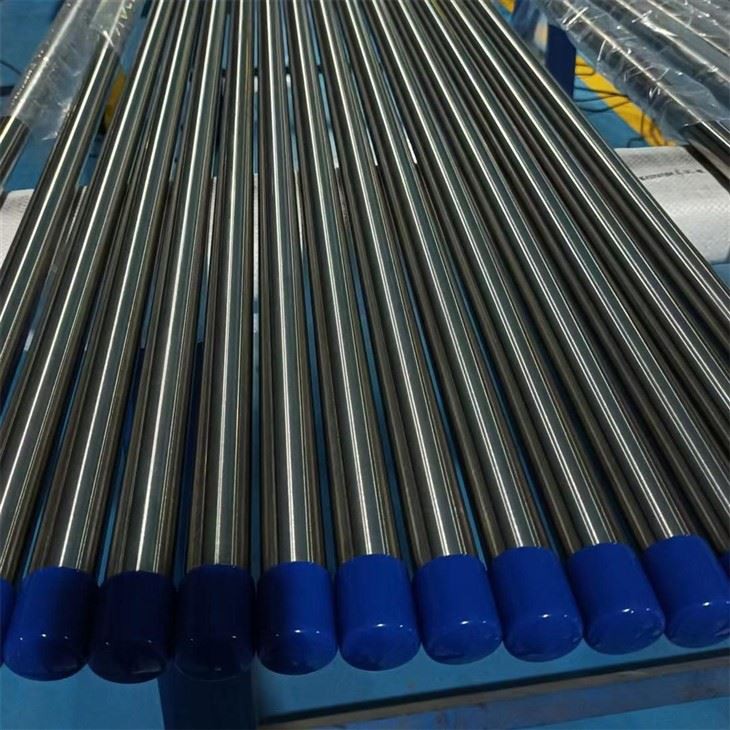
There are two main types of annealing for Inconel 600 Pipe: full annealing and stress relief annealing.
- Full Annealing: This process involves heating the pipe to the upper end of the annealing temperature range (around 2,000°F or 1,093°C) and holding it there for a sufficient time to allow the alloy to fully recrystallize. After that, the pipe is cooled slowly to room temperature. Full annealing results in a soft, ductile material with a uniform microstructure.
- Stress Relief Annealing: Stress relief annealing is performed at a lower temperature, usually between 1,100°F (593°C) and 1,400°F (760°C). The purpose of this process is to relieve internal stresses without significantly changing the mechanical properties of the alloy. Stress relief annealing is often used after welding or cold working to prevent cracking and distortion.
Solution Annealing
Solution annealing is another important heat treatment process for Inconel 600 Pipe. This process is used to dissolve any carbides or other precipitates that may have formed in the alloy during manufacturing or service. By dissolving these precipitates, solution annealing restores the alloy's corrosion resistance and improves its mechanical properties.
The solution annealing process for Inconel 600 Pipe involves heating the pipe to a temperature between 2,000°F (1,093°C) and 2,200°F (1,204°C) and holding it at that temperature for a short period of time, usually 10 to 30 minutes. After holding, the pipe is rapidly quenched in water or oil to prevent the re-precipitation of carbides.
Solution annealing is particularly important for Inconel 600 Pipe that will be used in applications where corrosion resistance is critical, such as in chemical processing plants or marine environments.
Aging
Aging, also known as precipitation hardening, is a heat treatment process that can be used to increase the strength and hardness of Inconel 600 Pipe. This process involves heating the pipe to a specific temperature and holding it there for a certain period of time to allow the formation of fine precipitates in the alloy's microstructure. These precipitates act as barriers to dislocation movement, which increases the strength and hardness of the material.
The aging process for Inconel 600 Pipe typically involves heating the pipe to a temperature between 1,100°F (593°C) and 1,400°F (760°C) and holding it at that temperature for several hours. After holding, the pipe is slowly cooled in air.
It's important to note that aging is not always necessary for Inconel 600 Pipe. In fact, in some applications, aging may actually reduce the alloy's corrosion resistance. So, it's crucial to carefully consider the specific requirements of the application before deciding whether to perform aging on Inconel 600 Pipe.
Heat Treatment Considerations
When it comes to heat treating Inconel 600 Pipe, there are a few important considerations to keep in mind.
- Furnace Atmosphere: The furnace atmosphere during heat treatment can have a significant impact on the quality of the Inconel 600 Pipe. Oxidation and decarburization can occur if the furnace atmosphere contains oxygen or other reactive gases. To prevent these issues, it's important to use a controlled atmosphere furnace, such as a vacuum furnace or a furnace with an inert gas atmosphere (e.g., argon or nitrogen).
- Heating and Cooling Rates: The heating and cooling rates during heat treatment can also affect the mechanical properties of the Inconel 600 Pipe. Rapid heating or cooling can cause thermal stresses and cracking in the pipe. Therefore, it's important to control the heating and cooling rates carefully to ensure a uniform temperature distribution throughout the pipe.
- Quenching Medium: If quenching is required during the heat treatment process, the choice of quenching medium is crucial. Water quenching is the most common method, but it can cause rapid cooling and high thermal stresses, which may lead to cracking. Oil quenching is a slower cooling method that can reduce the risk of cracking, but it may not be suitable for all applications.
Meeting Your Needs
As a supplier of Inconel 600 Pipe, I understand the importance of providing high-quality products that meet your specific requirements. That's why I work closely with my customers to ensure that the Inconel 600 Pipe I supply is properly heat treated to achieve the desired mechanical properties and performance.
Whether you need Inconel 600 Pipe for a small project or a large-scale industrial application, I've got you covered. I offer a wide range of sizes and specifications to meet your needs, and I can also provide custom heat treatment services to ensure that the pipe is optimized for your specific application.
If you're interested in purchasing Inconel 600 Pipe or have any questions about the heat treatment requirements, don't hesitate to reach out. I'm here to help you find the right solution for your project and ensure that you get the best value for your money.
References
- ASM Handbook, Volume 4: Heat Treating, ASM International
- Inconel 600 Technical Data Sheet, Special Metals Corporation