

Transporting N08904 pipes safely is a critical aspect of our operations as a N08904 Pipe supplier. N08904, a high-performance stainless steel alloy, is known for its excellent corrosion resistance and mechanical properties, making it a popular choice in various industries such as chemical processing, oil and gas, and water treatment. However, due to its value and specific characteristics, proper transportation methods must be employed to ensure that the pipes reach their destination in optimal condition.
Understanding the Characteristics of N08904 Pipe
Before delving into the transportation methods, it is essential to understand the unique properties of N08904 pipes. These pipes are made from an alloy containing approximately 24 - 26% nickel, 19 - 21% chromium, 4 - 5% molybdenum, and small amounts of copper and nitrogen. This composition gives N08904 pipes their superior corrosion resistance, especially in environments with high chloride content.
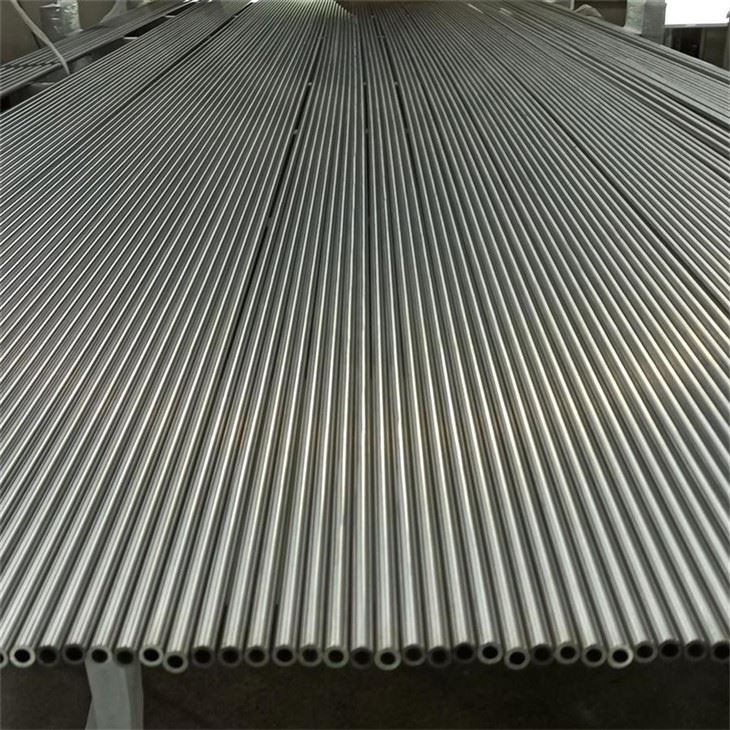
The pipes are typically produced in various sizes and wall thicknesses to meet different application requirements. They can be seamless or welded, each with its own set of manufacturing processes and quality control measures. Given their value and the critical applications they serve, any damage during transportation can lead to significant financial losses and potential safety hazards.
Pre - Transportation Preparation
Inspection and Quality Check
Before transportation, a thorough inspection of the N08904 pipes is crucial. This includes checking for any surface defects such as scratches, dents, or cracks. The dimensions of the pipes, including diameter, wall thickness, and length, should also be verified to ensure they meet the specified requirements. Any pipes that do not pass the inspection should be set aside for further evaluation or repair.
Cleaning and Coating
To prevent corrosion during transportation, the pipes should be cleaned to remove any dirt, grease, or other contaminants. A protective coating can then be applied to the surface of the pipes. This coating acts as a barrier between the pipe and the external environment, reducing the risk of corrosion. There are various types of coatings available, such as epoxy coatings, which provide excellent protection against moisture and chemicals.
Packaging
Proper packaging is essential to protect the N08904 pipes during transportation. The pipes are usually bundled together using steel bands or plastic straps. To prevent damage to the pipe surfaces, protective materials such as rubber pads or plastic sleeves can be placed between the pipes. For long - distance transportation or overseas shipments, the bundles can be further packed in wooden crates or steel containers. This provides additional protection against impact, vibration, and weather conditions.
Transportation Modes
Road Transportation
Road transportation is a common method for transporting N08904 pipes, especially for short - to medium - distance deliveries. Trucks are the primary vehicles used for this purpose. When loading the pipes onto the truck, it is important to ensure that they are evenly distributed to maintain the balance of the vehicle. The pipes should be secured using tie - down straps or chains to prevent them from shifting during transit.
Special care should be taken when driving on rough roads or during adverse weather conditions. The driver should avoid sudden stops, starts, and sharp turns to minimize the risk of damage to the pipes. Additionally, the truck should be equipped with a suitable suspension system to absorb shocks and vibrations.
Rail Transportation
Rail transportation is a cost - effective option for transporting large quantities of N08904 pipes over long distances. The pipes are loaded onto flatbed railcars or specialized pipe carriers. Similar to road transportation, the pipes need to be properly secured to prevent movement during transit. Railroads usually have strict safety regulations, and the loading and unloading operations are carried out by trained personnel.
One advantage of rail transportation is its relatively stable movement compared to road transportation. However, the transit time may be longer, and there may be additional handling required at transfer points.
Sea Transportation
For international shipments, sea transportation is often the preferred option. The N08904 pipes are typically loaded into shipping containers or transported on bulk carriers. When using shipping containers, the pipes should be arranged in an orderly manner to maximize the use of space. They should be secured using dunnage materials such as wooden blocks or airbags to prevent movement during the voyage.
Bulk carriers are suitable for transporting large volumes of pipes. The pipes are loaded directly onto the cargo hold, and special attention should be paid to the stowage plan to ensure the stability of the vessel. Sea transportation is subject to various environmental factors such as rough seas, high humidity, and saltwater exposure. Therefore, the protective coatings on the pipes are especially important in this mode of transportation.
Handling During Transportation
Loading and Unloading
Proper loading and unloading procedures are essential to prevent damage to the N08904 pipes. Cranes or forklifts are commonly used for these operations. When using a crane, the lifting slings should be made of non - abrasive materials to avoid scratching the pipe surfaces. The lifting points should be carefully selected to ensure that the pipes are lifted evenly and without causing any deformation.
During unloading, the pipes should be placed on a flat and stable surface. They should be handled gently to prevent impact damage. Workers should be trained on the proper handling techniques to minimize the risk of accidents and pipe damage.
Monitoring
Throughout the transportation process, it is important to monitor the condition of the N08904 pipes. This can be done using various methods, such as installing vibration sensors or temperature and humidity monitors. These sensors can provide real - time data on the environmental conditions and the movement of the pipes. If any abnormal conditions are detected, appropriate measures can be taken immediately to prevent damage.
Safety Considerations
Hazardous Materials
Although N08904 pipes themselves are not considered hazardous materials, the protective coatings or packaging materials used may be. It is important to comply with all relevant regulations regarding the transportation of hazardous materials. This includes proper labeling, documentation, and storage of these materials.
Worker Safety
The safety of the workers involved in the transportation process is of utmost importance. Workers should be provided with appropriate personal protective equipment (PPE), such as safety helmets, gloves, and safety shoes. They should also be trained on the safe handling of the pipes and the equipment used for transportation.
Conclusion
Transporting N08904 pipes safely requires a comprehensive approach that takes into account the unique characteristics of the pipes, the different transportation modes available, and the various safety considerations. By following the proper pre - transportation preparation, choosing the appropriate transportation mode, and implementing strict handling and monitoring procedures, we can ensure that the N08904 pipes reach their destination in excellent condition.
If you are interested in purchasing N08904 Pipe, we are here to provide you with high - quality products and reliable transportation services. Please feel free to contact us for more information and to discuss your specific requirements. We look forward to the opportunity to work with you.
References
- ASME B31.3 Process Piping Code
- ASTM A269 Standard Specification for Seamless and Welded Austenitic Stainless Steel Tubing for General Service
- ISO 9001 Quality Management Systems - Requirements